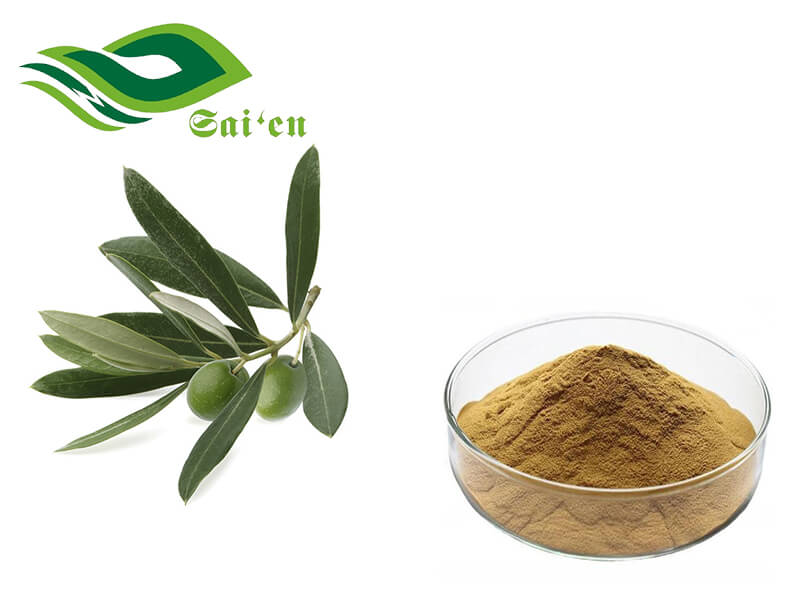
Hydroxytyrosol has a phenylethanol structure and is a natural phenolic compound derived from olive oil.
It is amphiphilic, that is, it can exist in pomace and olive oil in free form. It can also exist in the form of acetate. Or it can exist as a component of olive phenol, tyrosol and oleuropein.
| ITEM | STANDARD | TEST RESULT | TEST METHOD |
| Hydroxytyrosol | ≥20.0% | 20.08% | HPLC |
| Physical & Chemical | |||
| Appearance | Brown Yellow fine powder | Complies | Visual |
| Odor | Characteristic | Characteristic | Organoleptic |
| Particle Size | 95% pass 80mesh | Complies | USP36<786> |
| Loss on Drying | ≤5.0% | 4.18% | USP36<731> |
| Ash | ≤20.0% | 17.88% | USP36<281> |
| Solvent Residual | ≤0.05% | Complies | USP36<476> |
| Heavy Metal | |||
| As | ≤2.0ppm | Complies | ICP-MS |
| Pb | ≤2.0ppm | Complies | ICP-MS |
| Cd | ≤1.0ppm | Complies | ICP-MS |
| Hg | ≤0.1ppm | Complies | ICP-MS |
| Microbiological Test | |||
| Total Plate Count | ≤1000cfu/g | Complies | AOAC |
| Mold and Yeast | ≤100cfu/g | Complies | AOAC |
| E.Coli | Negative | Complies | AOAC |
| Salmonella | Negative | Complies | AOAC |
| ITEM | STANDARD | TEST RESULT | TEST METHOD |
| Assay | |||
| Hydroxytyrosol | ≥50% | 50.18% | HPLC |
| Physical & Chemical | |||
| Appearance | Brown Liquid | Complies | Visual |
| Odor | Characteristic | Characteristic | Organoleptic |
| PH | 5-7 | Complies | Q/DFS0001S-2015 |
| Extraction Solvent | Ethanol & Water | Complies | ------ |
| Ash | ≤5.0% | 1.52% | USP<281> |
| Heavy Metal | |||
| Pb | ≤2ppm | Complies | ICP-MS |
| As | ≤1ppm | Complies | ICP-MS |
| Cd | ≤0.5ppm | Complies | ICP-MS |
| Hg | ≤0.5ppm | Complies | ICP-MS |
| Microbiological Test | |||
| Total Plate Count | ≤1000cfu/g | Complies | AOAC |
| Mold and Yeast | ≤100cfu/g | Complies | AOAC |
| E.Coli | Negative | Complies | AOAC |
| Salmonella | Negative | Complies | AOAC |
Hydroxytyrosol is used in cosmetics as a natural, safe and effective antioxidant.
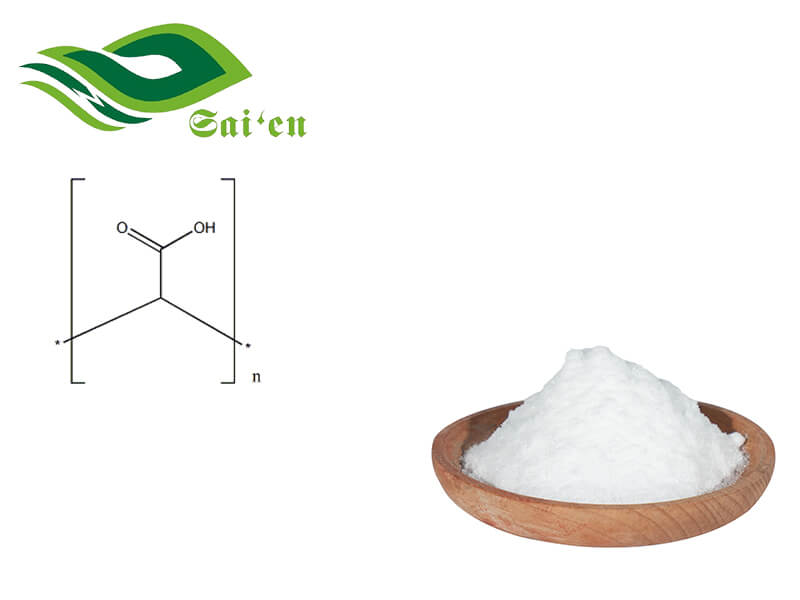
Feature Carbomer 940 is a white fluffy powder that is soluble in water, ethanol, and glycerin. It has a characteristic slight odor and is highly…
Product Usage: This PRODUCT IS INTENDED AS A RESEARCH CHEMICAL ONLY. This designation allows the use of research chemicals strictly for in vitro testing and…
N-Acetyl-L-Carnosine (NAC) · High-Purity Peptide Raw Material · B2B Bulk Supply N-Acetyl Carnosine is a naturally occurring acetylated dipeptide derived from beta-alanine and L-histidine. Compared…