Hyaluronic Acid Sodium(Sodium hyaluronate) is a glycosaminoglycan naturally present in the dermis. It is the sodium salt form of hyaluronic acid.
It is a hydrophilic compound with a half-life of 1 to 2 days in its natural form.
According to molecular weight, hyaluronic acid can be divided into high molecular weight, medium molecular weight and low molecular weight.
Sodium hyaluronate is safe, it can be completely metabolized in the body, non-toxic and sterile.
In short, it is widely used in dietary supplements, beauty, skin care and other products. In addition, some developed countries have approved sodium hyaluronate as a food additive.
| Type | Molecular weight range |
| High molecular weight | 1800kDa~2000kDa |
| 2000kDa~2200kDa | |
| 2200kDa~2500kDa | |
| Medium molecular weight | 800kDa~1000kDa |
| 1200kDa~1500kDa | |
| Low molecular weight | 20kDa~40kDa |
| Sodium oligomeric hyaluronate | ≤10kDa |
| Test Items | Specifications | Results |
| Identification | IR Identification orcomparable test | Complies |
| Appearance | White powder | Complies |
| Transparency (in 0.1%aq.sol.,) | ≥99.0% | 99.3% |
| pH | 6.0~7.5 | 6.2 |
| Intrinsic viscosity | Actual value | 0.46dL/g |
| Molecular weight | ≤10KDa | 9.62KDa |
| Kinematic viscosity | Actual value | 1.01mm²/s |
| Mesh | ≥80 | Complies |
| Loss on drying | ≤10.0% | 3.7% |
| Residue on ignition | 15.0~20.0% | 18.8% |
| Heavy metals | ≤20ppm | <20ppm |
| Arsenic | ≤2ppm | <2ppm |
| Protein | ≤0.1% | 0.04% |
| Assay | ≥93.0% | 95.7% |
| Glucuronic acid | ≥45.0% | 46.3% |
| Total bacterial count | ≤100CFU/g | <100CFU/g |
| Yeasts & mold | ≤100CFU/g | <100CFU/g |
| E. coli | Negative | Negative |
| Staph | Negative | Negative |
| Pseudomonas aeruginosa | Negative | Negative |
| Salmonella | Negative | Negative |
| Conclusion: | Meet the requirements |
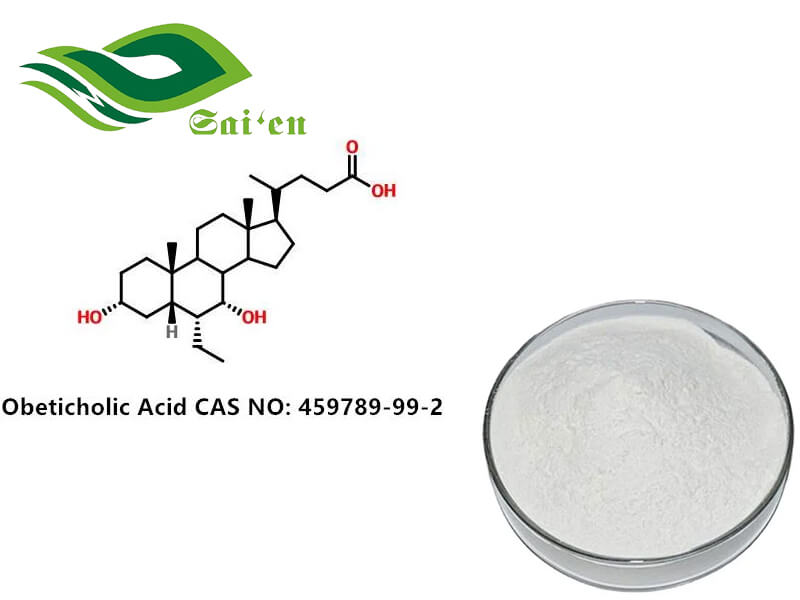
Feature Obeticholic acid (OCA) is a semisynthetic bile acid derivative, whose structure consists of a β-steroid nucleus and four substituents.It is a first-line farnesyl ester…
Feature Nattokinase is an alkaline serine protease, a new type of natural thrombolytic active substance. It is composed of 275 amino acid residues and has…
Feature Wolfberry is a natural plant that can be used as both medicine and food. It can be used as medicine, tea or food. Traditional…