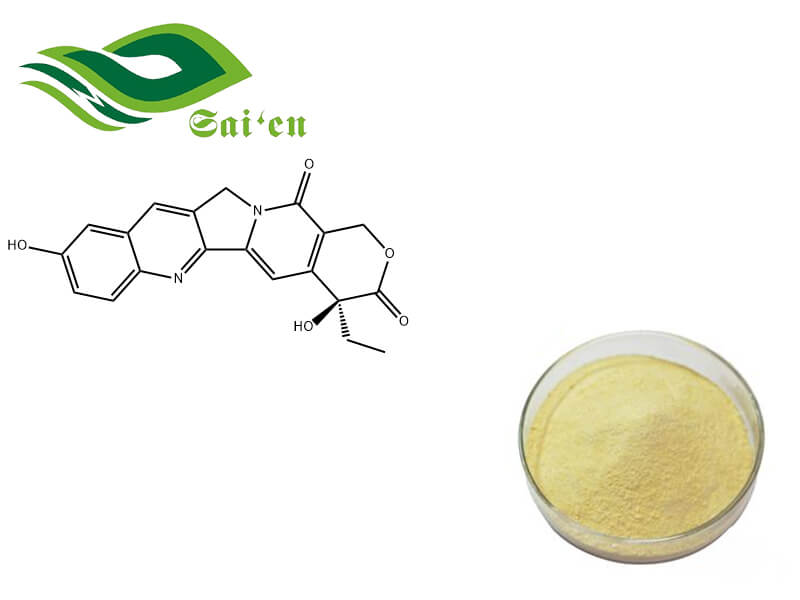
10 Hydroxycamptothecin (10-HCPT) is a natural alkaloid. It can be derived from the fruit and leaves of camptotheca acuminata Decne, and can also be converted from camptothecin. Its structure is similar to camptothecin, but it has a hydroxyl group at position 10, which may enhance its solubility and activity.
In in vitro and in vivo experiments, 10-HCPT exhibits anticancer activity and is known for its strong anticancer activity.
This product appears as a light yellow powder or crystalline powder. It is slightly soluble in organic solvents such as ethanol and chloroform, but insoluble in water. It is easily deteriorated by light and is slightly hygroscopic.
| Item | Specification | Result |
| Appearance | A light yellow crystalline powder.odorless,gradually affected by light | Complies |
| Loss of drying | ≤6.0% | 4.11% |
| Residue on ignition | ≤1.0% | 0.10% |
| Related substances | A:Single Impurity≤0.5% | 0.46% |
| B:Total Impurities≤1.0% | 0.89% | |
| Purity | ≥99.0% | 99.11% |
| Conclusion | The batch product complies with in-house specification | |
This product shows anticancer potential.
10-HCPT is a topoisomerase I inhibitor. It interferes with DNA replication in cancer cells by stabilizing the DNA-topoisomerase I complex, resulting in DNA damage and ultimately cell death.
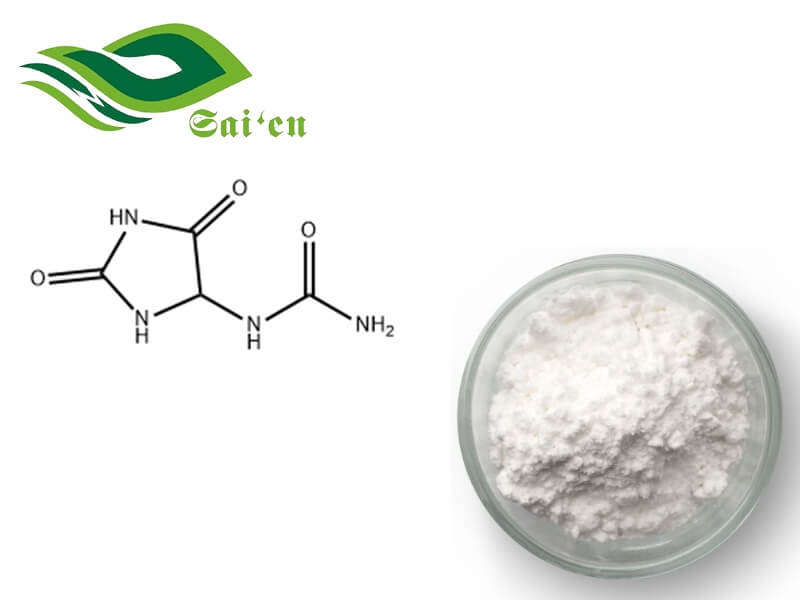
Feature Allantoin raw material is an odorless white powder, which is an amphoteric compound. Long-term tests have proved that allantoin is non-toxic, non-irritating and non-allergic.…
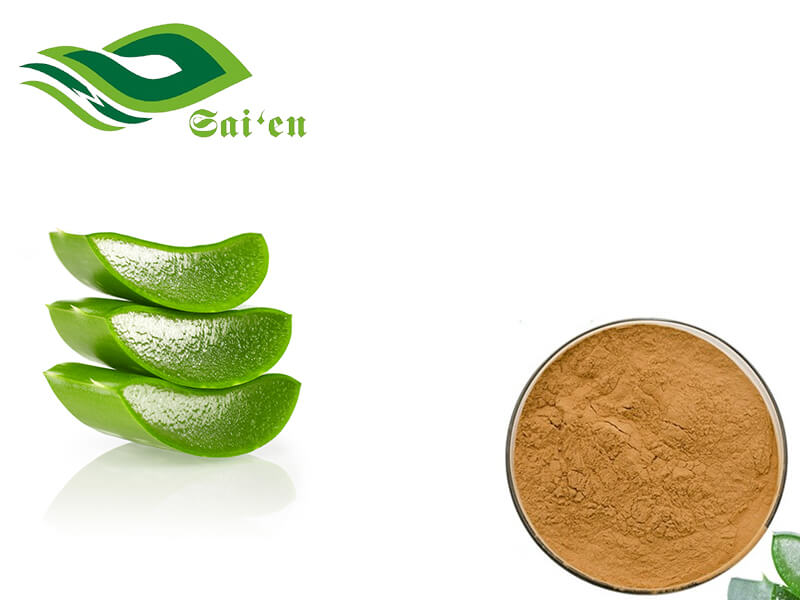
Feature Aloe vera has beauty, anti-inflammatory and detoxification effects. Aloe vera and Aloe vera extracts even have medicinal value.Aloin powder has a pure aloe taste…
【Product Overview】 We are a specialized global supplier of Thymosin Beta-4, widely recognized by the research code TB-500. This synthetic 43-amino acid peptide is the…