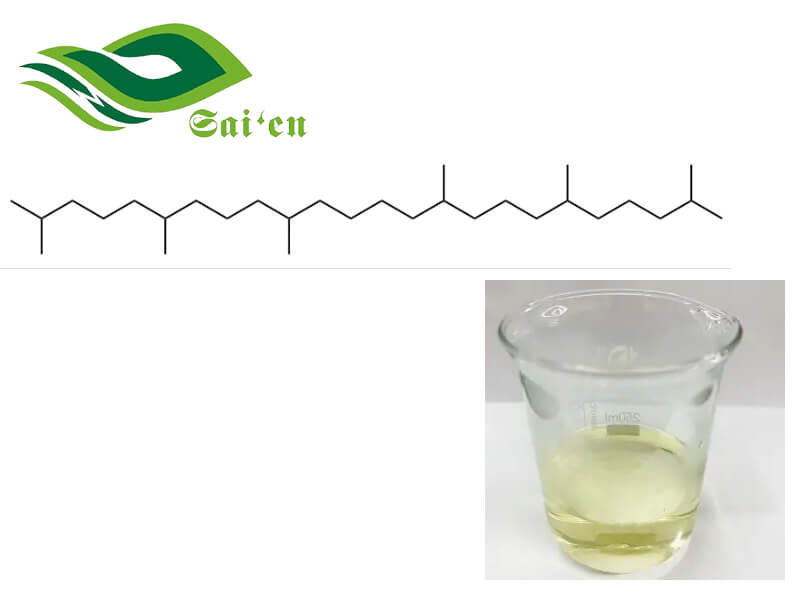
Squalane is an alkane compound, first discovered in shark liver oil, and also found in olives, palm trees, wheat germ, and rice bran. Squalene is insoluble in water, slightly soluble in methanol, ethanol, ether, and mineral oil, and can be mixed with other animal and vegetable oils. Squalane Oil plays a role in lubrication and protection in personal care products. It is also widely used in the field of fine chemicals as a chemical intermediate.
At present, the main sources of squalane include animals, plants, and chemically synthesized squalane.
| Item | Specification | Test Result |
| Assay by HPLC | ≥98% | 98.89% |
| Chromaticity | ≤0.4% | Complies |
| Appearance | Colorless or yellow liquid | Complies |
| Value | ≤3.5g/100g | Complies |
| Sapon Value | ≤0.5mg KOH/g | Complies |
| Insoluble Impurities | ≤0.2% | 0.08% |
| Residre Of Solvents | ≤1.0% | 0.37% |
| Acid Value(KOH) | ≤0.10mg KOH/g | 0.003mg |
| Heavy Metals | ≤15mg/kg | Complies |
| Arsenic | ≤2.0mg/kg | Complies |
| Peroxide Value | ≤3.0mmol/kg | Complies |
| Conclusion | The Results Conforms With Enterprise Standards | |
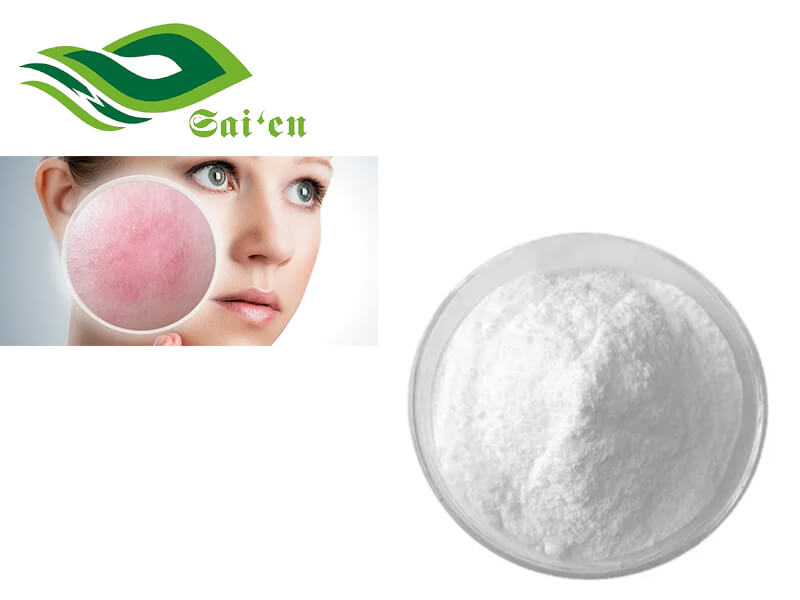
Feature Ectoine powder, INCI tetrahydromethylpyrimidine carboxylic acid, exists in halophilic bacteria.It is an amino acid derivative. On the one hand, it is used in the…
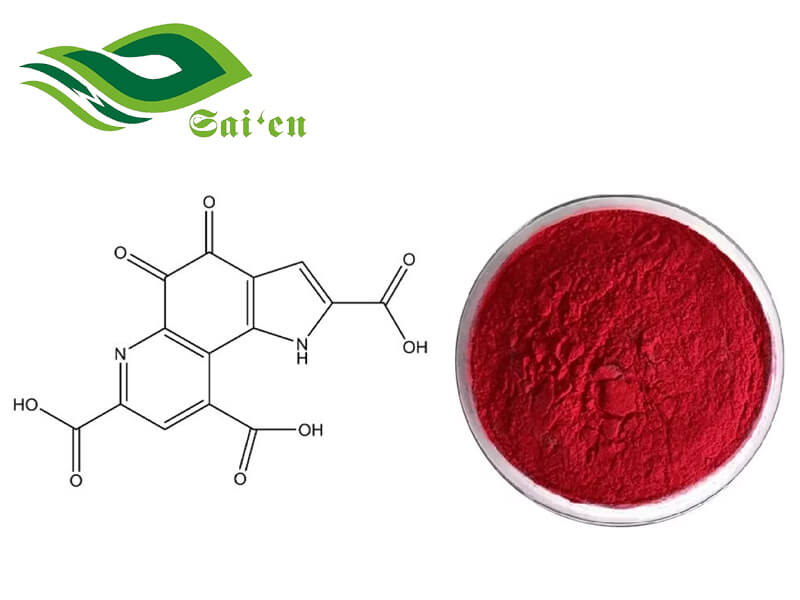
Feature Pyrroloquinoline quinone, PQQ for short, is a new type of redox coenzyme. This substance has a positive effect on promoting health. The PQQ contained…
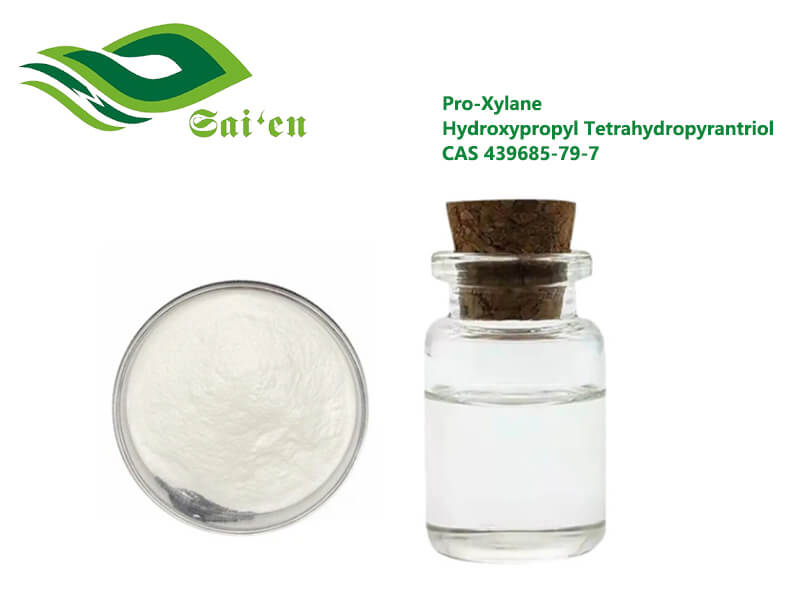
Pro-xylane, also known as C-beta-D-xylopyranoside-2-hydroxypropane, Hydroxypropyl Tetrahydropyrantriol, C-Xyloside, is essentially a xylose structure