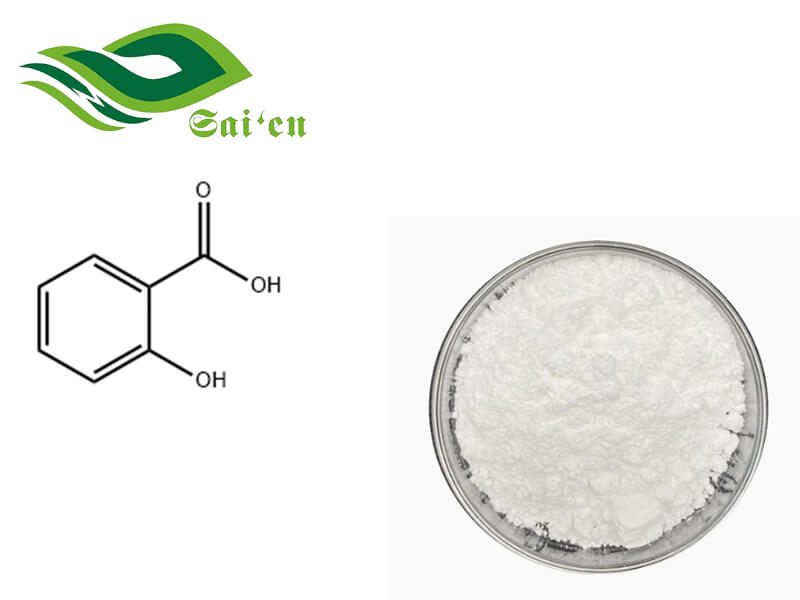
o-Hydroxybenzoic acid, with a molecular formula of C7H6O3, has a structure of A benzene ring with a hydroxyl group (-OH) in the ortho position (adjacent to) and a carboxylic acid group (-COOH).
It is a β-hydroxy acid extracted from poplar bark, willow bark, etc., and is a simple phenolic compound.
Salicylic acid is known for its anti-inflammatory effects, and also has the effects of regulating keratin, controlling oil, antibacterial, and whitening.
| Test items | Specifications | Test Results | |
| REF | The product is tested in accordance with BP2017/EP9.0/USP42. | ||
| Characters | A white, or almost white , crystalline powder or white or colourless, acicular crystals, slightly soluble in water; freely soluble in ethanol (96 per cent), sparingly soluble in methylene chloride. | Complies | |
| Identification | A.Melting pointl58 °C to 161 °C | 158.6-160.5C | |
| B.The IR spectrum of sample complies with Salicylic acid CRS | Complies | ||
| Appearance of solution | Solution is clear and colourless | Clear | |
| Chlorides | <100ppm NMT 100ppm | < 100 ppm | |
| Sulfates | <200ppm NMT 200ppm | <200 ppm | |
| Heavy metals | <20ppm NMT20ppm | <20 ppm | |
| Loss on drying | 50.5%NMT0.5% | 0.02% | |
| Residue on ignition | £0.05%NMT 0.05% | 0.04% | |
| Related substances | 4-hydroxybenzoic acid | M0.1% | 0.001% |
| 4-hydroxyisophthalic acid | £0.05% | 0.002% | |
| Phenol | £0.02% | N.D | |
| Any other impurities | ≤ 0.05% | N.D | |
| Total impurities | ≤ 0.2% | 0.002% | |
| Assay ( on dried basis) | Contains C7H6O3 99.0%-100.5% | 99.6% | |
| Conclusion | The above items meet the requirement. | ||
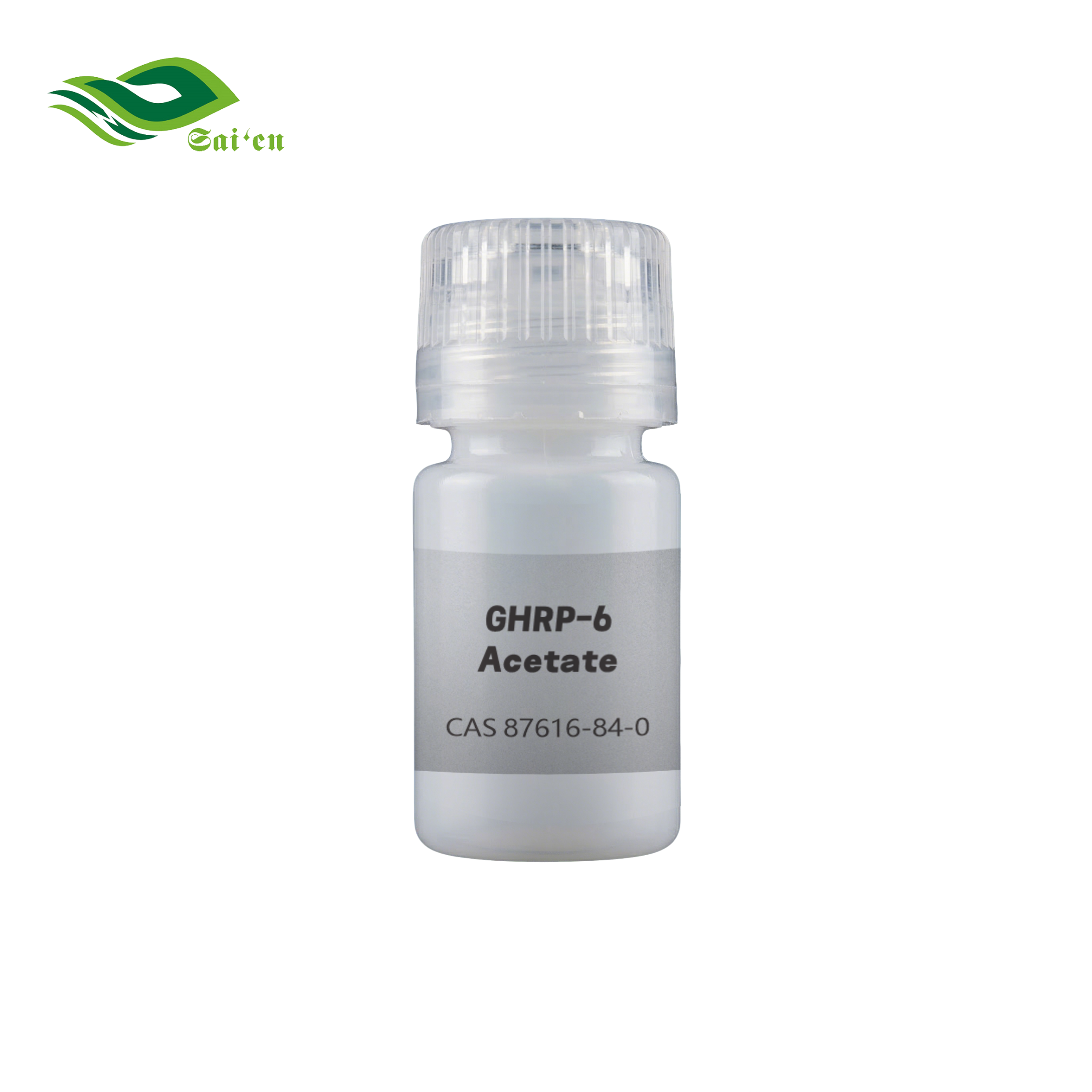
【Product Overview】 We are a premier global supplier of GHRP-6, the foundational First-Generation Growth Hormone Releasing Peptide. As the reference standard against which all newer…
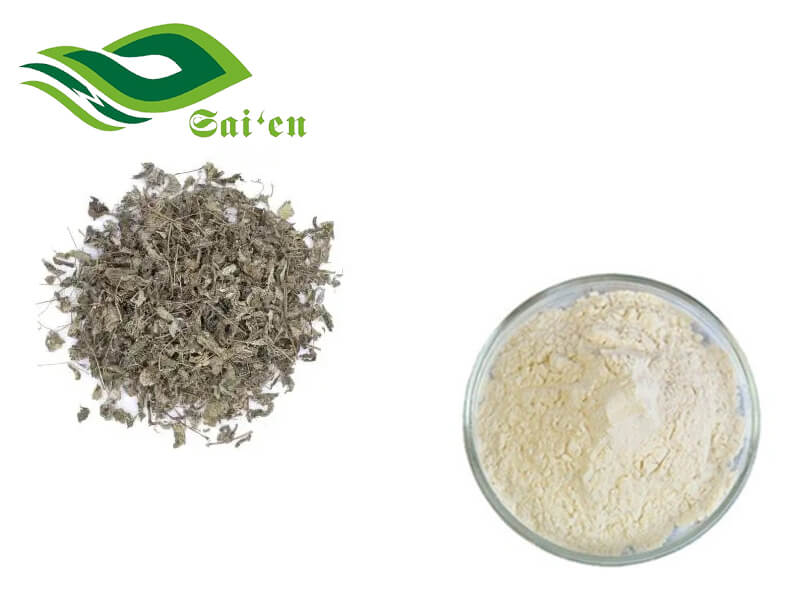
Feature Dihydromyricetin was first isolated from Ampelopsis plants in 1940.It is a natural flavonoid compound with the characteristics of natural origin and excellent biological activity.…
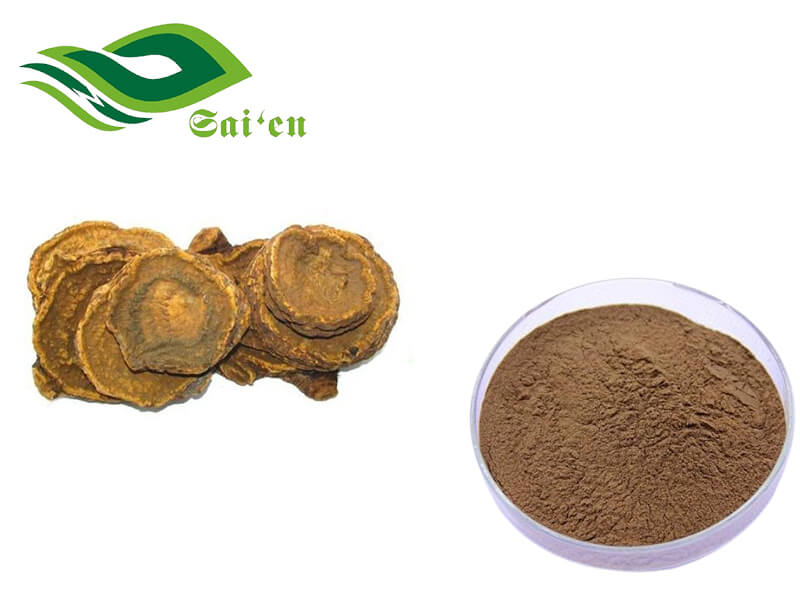
Feature More than 200 active ingredients can be isolated from the traditional Chinese medicine rhubarb, which contains not only free anthraquinones and monosaccharide glycosides, but…