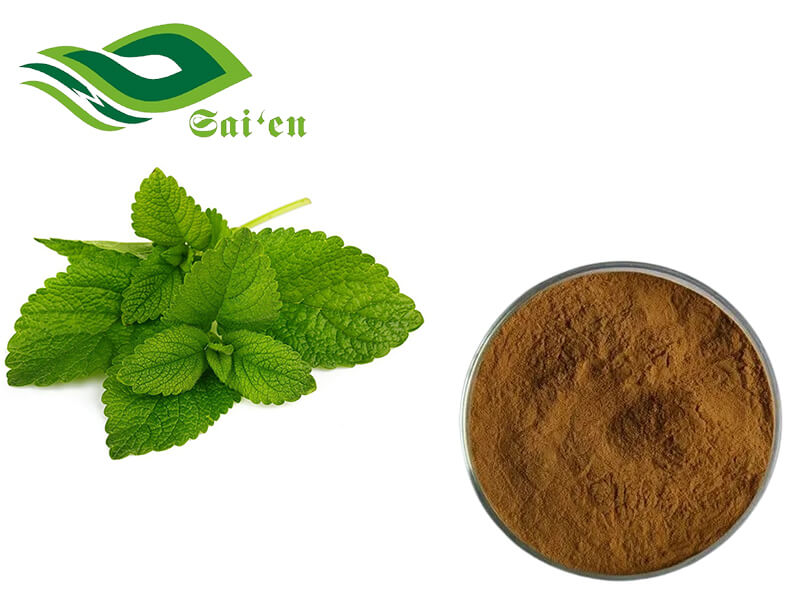
Mint leaves are known for their unique, refreshing minty flavor and health benefits. Peppermint leaves contain several essential oils, including menthol, menthone, and limonene. Menthol gives mint its cooling properties and minty flavor.
| Items | Standards | Results |
| Physical Analysis | ||
| Description | Yellow Brown Powder | Complies |
| Assay | 10:01 | Complies |
| Mesh Size | 100 % pass 80 mesh | Complies |
| Ash | ≤ 5.0% | 2.85% |
| Loss on Drying | ≤ 5.0% | 2.85% |
| Chemical Analysis | ||
| Heavy Metal | ≤ 10.0 mg/kg | Complies |
| Pb | ≤ 2.0 mg/kg | Complies |
| As | ≤ 1.0 mg/kg | Complies |
| Hg | ≤ 0.1 mg/kg | Complies |
| Microbiological Analysis | ||
| Residue of Pesticide | Negative | Negative |
| Total Plate Count | ≤ 1000cfu/g | Complies |
| Yeast&Mold | ≤ 100cfu/g | Complies |
| E.coil | Negative | Negative |
| Salmonella | Negative | Negative |
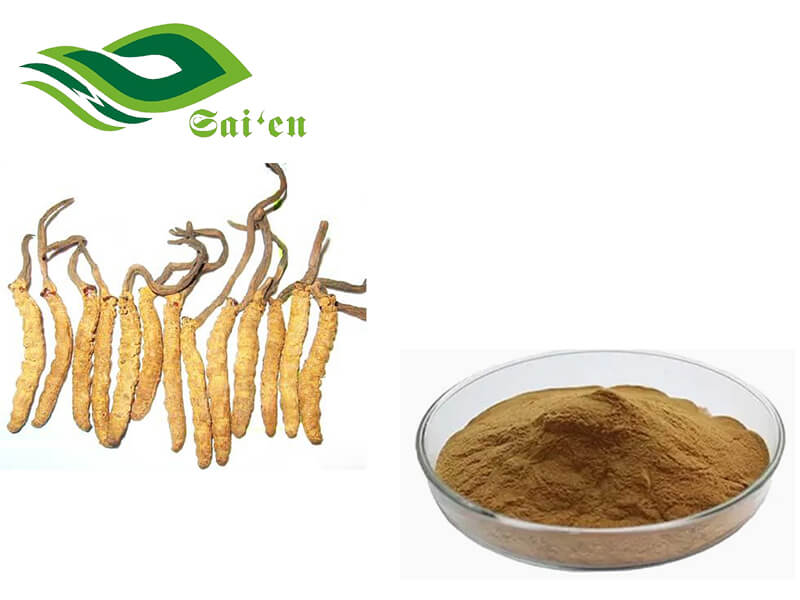
Feature Cordyceps is a parasitic fungus that feeds on insects and other arthropods. Cordyceps sinensis contains more than 200 bioactive metabolites, which have a variety…