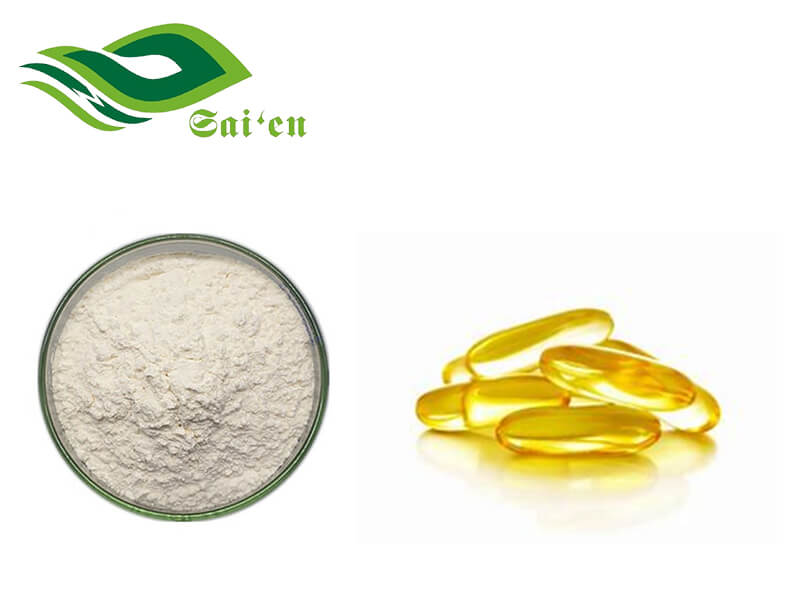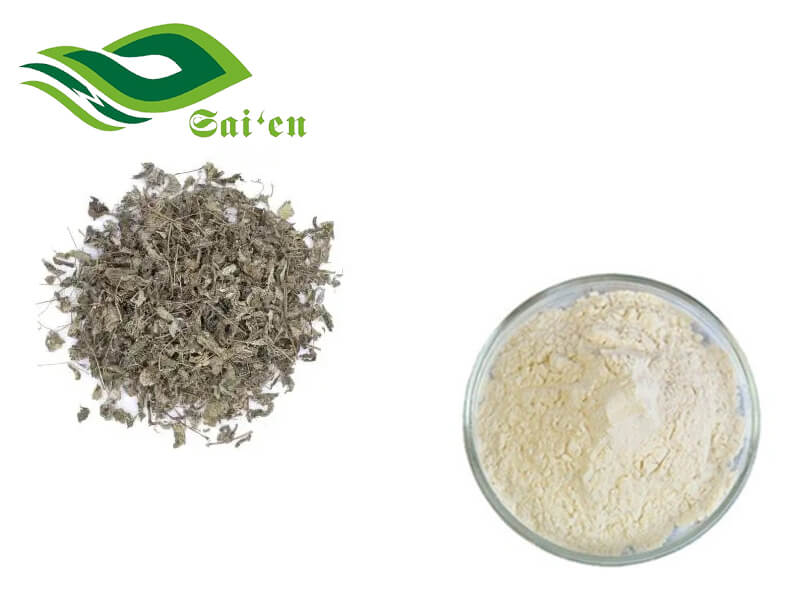
Dihydromyricetin was first isolated from Ampelopsis plants in 1940.
It is a natural flavonoid compound with the characteristics of natural origin and excellent biological activity. DMY appears as a white crystalline powder. Dihydromyricetin powder has low solubility in water, but is easily soluble in organic solvents such as methanol and ethanol. It has antioxidant, anti-inflammatory, antibacterial, antiviral, anti-fatigue, and liver protection effects.
| Item | Specification | Standard | Result |
| Appearance | White or Off-White Powder | Organoleptic | Conforms |
| Odour | Characteristic | Organoleptic | Conforms |
| Loss on Weight | ≤1.0% | USP37 | 0.12% |
| Ignition Ash | ≤1.0% | USP37 | 0.08% |
| Dihydromyricetin | ≥98% | HPLC | 99.20% |
| Lead (Pb) | ≤3.0mg/kg | USP37 | Conforms |
| Arsenic (As) | ≤2.0mg/kg | USP37 | Conforms |
| Cadmium (Cd) | ≤1.0mg/kg | USP37 | Conforms |
| Mercury (Hg) | ≤0.1mg/kg | USP37 | Conforms |
| Total Plate Count | ≤1000cfu/g | USP30 | Conforms |
| Yeast & Mold | ≤100cfu/g | USP30 | Conforms |
| E.Coli | Negative | USP30 | Conforms |
| Salmonella | Negative | USP30 | Conforms |
The health-promoting effect of vine tea is mainly achieved through the rich flavonoids, especially dihydromyricetin. Long-term drinking can regulate the body and resist diseases.
Dihydromyricetin is used in Chinese medicine preparations and dietary supplements, and its forms include tablets, capsules, granules, etc.