Azelaic acid has long been celebrated as a gold-standard ingredient for tackling hyperpigmentation, acne, and rosacea. However, for cosmetic chemists and formulators, it is notoriously difficult to work with. It is essentially insoluble in water, prone to recrystallization, and often results in heavy, gritty emulsions that consumers dislike.
Enter Potassium Azeloyl Diglycinate (PAD)—a game-changing derivative that is transforming the skincare industry.
By combining the powerful properties of azelaic acid with the hydrating benefits of the amino acid glycine, PAD offers all the brightening and sebum-regulating benefits of traditional azelaic acid, but in a highly water-soluble, easy-to-formulate liquid.
If you are looking to develop a lightweight, highly effective water-based brightening serum, PAD is your star ingredient. Here is your comprehensive guide to formulating with it successfully.
Why Choose PAD for Water-Based Serums?
Before diving into the formulation process, it is important to understand why PAD is replacing traditional azelaic acid in modern brightening serums:
- 100% Water Soluble: Unlike pure azelaic acid, PAD dissolves seamlessly in water, allowing for the creation of crystal-clear, lightweight serums and toners.
- Enhanced Skin Compatibility: It operates perfectly at a skin-friendly pH (around 5.0 to 7.0), significantly reducing the stinging and irritation often associated with acid-based products.
- Multifunctional Benefits: PAD acts as a tyrosinase inhibitor (reducing melanin production for brightening), an anti-inflammatory agent (calming redness), and a powerful sebum regulator (perfect for oily or acne-prone skin).
- Superior Hydration: Thanks to the glycine molecule, it actively improves skin elasticity and moisture retention.
Step-by-Step: Formulating a Stable PAD Serum
Creating a water-based serum with PAD is generally straightforward, provided you understand its chemical nature. Because PAD is a salt derivative, it introduces electrolytes into your formula. This is the single most important factor to keep in mind.
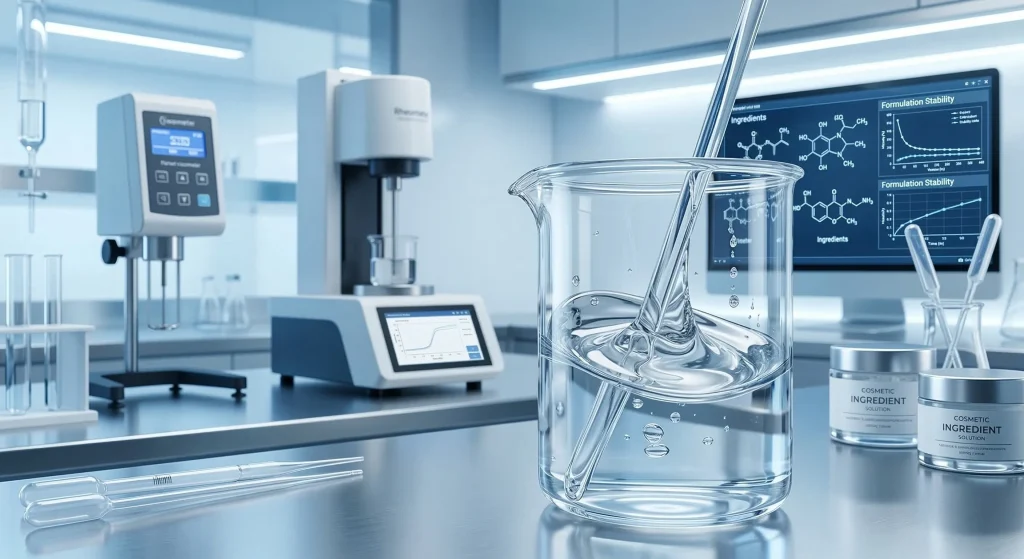
Phase A: The Water Base & Humectants
Start by building a hydrating foundation. Combine your deionized water with potent humectants.
- Ingredients to consider: Glycerin, Butylene Glycol, or Propanediol.
- Process: Mix at room temperature. Because PAD is heat-stable, you can use cold processing, saving time and energy costs in manufacturing.
Phase B: Incorporating the Active (PAD)
PAD is typically supplied as an aqueous solution (usually around a 30% concentration).
- Dosage: For a noticeable brightening and sebum-controlling effect, the recommended inclusion rate of the commercial PAD solution is typically between 3% to 10%.
- Process: Simply add the PAD liquid directly to your water phase and stir. It will incorporate completely clear.
Phase C: Choosing the Right Rheology Modifier (The Critical Step)
Because PAD is rich in electrolytes (potassium salts), it will "break" traditional ion-sensitive thickeners. If you try to use standard Carbomer, your serum will turn into a watery mess instantly.
- What NOT to use: Standard Carbomers or sodium polyacrylate.
- What TO use: Opt for electrolyte-tolerant thickeners. Xanthan Gum, Hydroxyethylcellulose (HEC), or Sclerotium Gum work beautifully. If you prefer a synthetic polymer for a more elegant skin feel, look for specialized electrolyte-resistant grades like Polyacrylate Crosspolymer-6.
Phase D: Preservation and pH Adjustment
- Preservatives: Choose a broad-spectrum preservative system compatible with non-ionic systems and the target pH. Phenoxyethanol/Ethylhexylglycerin blends are generally a safe and effective choice.
- pH Adjustment: The final pH of your serum should ideally sit between 5.0 and 6.5. This ensures maximum stability of the PAD and optimal comfort for the skin. Use Lactic Acid or Citric Acid to lower the pH, or Sodium Hydroxide to raise it if necessary.
Synergistic Combinations for Maximum Brightening
To create a truly standout product in the competitive skincare market, consider pairing PAD with other complementary water-soluble actives. PAD plays incredibly well with others:
- PAD + Niacinamide: The ultimate brightening duo. Niacinamide prevents melanin transfer, while PAD inhibits its production. Together, they provide unmatched results for post-acne marks and dullness.
- PAD + Alpha Arbutin: For a targeted hyperpigmentation treatment, this combination offers a safe, hydroquinone-free alternative that acts fast.
- PAD + Hyaluronic Acid: While PAD is already hydrating, pairing it with multi-molecular weight HA creates a plumping, illuminating serum that appeals to a premium market.
Troubleshooting Common Issues
- Issue: The serum is cloudy.
- Solution: Check your fragrance or essential oil solubilizers. PAD itself yields a clear solution, so cloudiness usually comes from improperly solubilized oils or incompatible thickeners.
- Issue: The viscosity drops over time.
- Solution: Re-evaluate your gum or polymer choice. Ensure your thickener is explicitly rated for high-electrolyte environments. Increasing the percentage of Xanthan Gum slightly can also stabilize the network.
Bring Your Brightening Serum to Market
Potassium Azeloyl Diglycinate is more than just a trend; it is a fundamental upgrade in cosmetic chemistry. By utilizing PAD, you can offer consumers the dramatic brightening and clearing effects of azelaic acid in a cosmetically elegant, irritation-free formula.
Whether you are a brand founder looking to develop a cutting-edge "gentle brightening" product line, or a formulator seeking premium, highly stable cosmetic raw materials, having the right supply chain and manufacturing partner is crucial.
Ready to formulate your next blockbuster serum? Contact us today to source premium Potassium Azeloyl Diglycinate (PAD) raw materials, or leverage our expert OEM/ODM services to bring your custom skincare vision to life from concept to shelf.